Underground mining places conveyor systems in some of the most demanding environments they will ever encounter — constrained geometry, long horizontal and inclined runs, remote locations, and safety requirements that don’t exist in surface applications. Getting the design right for an underground system requires attention to factors that are different from surface installations.
Fire Safety and Belt Selection
Underground conveyor systems require fire-resistant belting that meets applicable mine safety standards. This is a regulatory requirement in most jurisdictions, but belt selection also affects performance — fire-resistant compounds have different mechanical properties than standard belting, and those differences have to be accounted for in drive sizing and take-up configuration.
Belt fire resistance should also be considered alongside anti-static properties, which matter in environments where methane or coal dust is present.
Space Constraints and Installation Access
Underground installations have to fit within the available headroom and width of the tunnel or drive. This affects structural design, maintenance access configuration, and installation method. In some applications, conveyors are installed in sections that can be transported through existing openings and assembled in place.
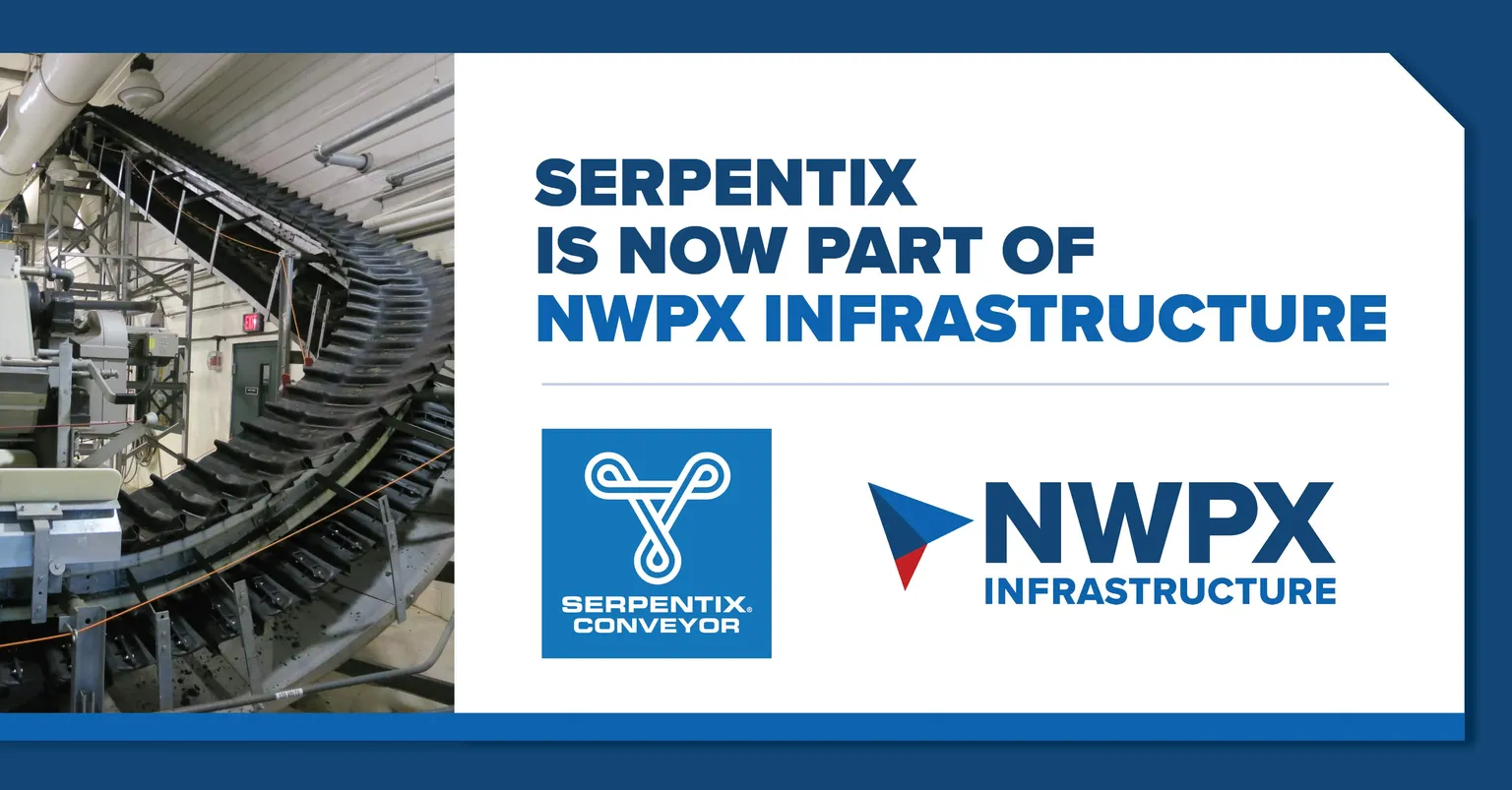
The Pathwinder handles turns, inclines, and space-constrained routing with a 6-foot radius design, which makes it a practical consideration for underground applications where straight-line conveyor runs aren’t possible. The installation plan — how the system gets into position and how it will be maintained once operational — has to be part of the design scope from the start.
Drive Location and Power Distribution
Long underground conveyors sometimes require intermediate drives to maintain belt tension within acceptable limits. For extended conveyor runs in high-throughput mining operations, the Model-H is engineered for exactly this profile — longer runs, continuous 24/7 uptime, and the heavy-duty construction that sustained underground operation demands.
Drive location decisions affect belt stress distribution, electrical system complexity, and maintenance access requirements. Power availability underground is a real constraint in many operations, and drive sizing has to account for the actual supply capacity and distribution system at the installation point.
Maintenance in Remote or Constrained Conditions
A belt failure or drive problem underground can be significantly harder and more expensive to address than the same failure on a surface installation. Component accessibility, spare parts logistics, and the availability of the right tooling underground are all factors that affect how quickly a system can be returned to service.
Designing for easy maintenance in constrained conditions — access doors, modular components, and standardized hardware — reduces mean time to repair when incidents occur.
Serpentix has designed and fabricated conveyor systems for underground and surface mining applications across multiple commodities. Contact our engineering team to discuss the specific requirements of your project.