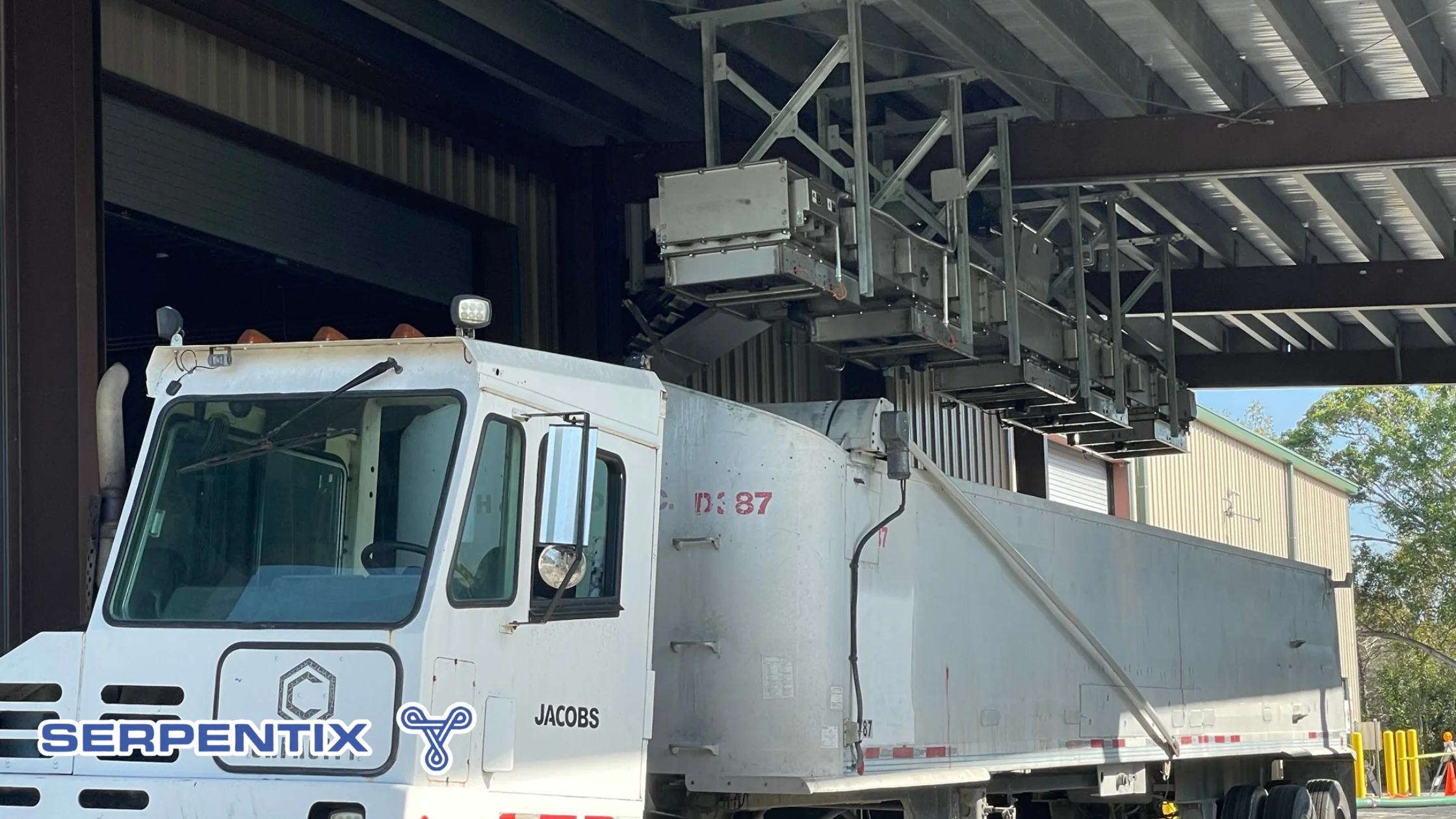
Flight distribution conveyors represent a breakthrough solution for material handling challenges in confined industrial spaces where traditional belt or screw conveyors simply cannot deliver optimal performance. These innovative systems excel in applications requiring tight radius turns, vertical incline transport, and continuous path operations within minimal footprints. Understanding when FD distribution systems provide superior value helps engineers and facility managers make informed decisions for space-constrained installations.
Understanding Flight Distribution Conveyor Technology
Flight distribution conveyors utilize specialized scraper flight mechanisms that enable material transport through complex paths that would be impossible with traditional conveyor systems. Unlike standard belt conveyors or roller conveyor systems that require large radius turns and gentle inclines, FD systems can navigate tight corners and steep angles while maintaining consistent material flow to convey products efficiently.
The core principle behind continuous path flight conveyor design involves individual flight elements that move along a closed-loop track, carrying material through the designated path regardless of directional changes or elevation variations. Modern scraper flight conveyor systems incorporate precision-engineered components including variable speed drive motors that ensure reliable operation in demanding industrial environments.
The compact nature of these systems makes them particularly valuable in retrofitting existing facilities where space constraints prevent the installation of conventional conveyor equipment. These conveyor solutions excel where traditional roller or flat belt systems cannot accommodate tight spaces, making them ideal for various industries we serve.
Key Advantages of FD Distribution Systems
Flight distribution conveyors offer several critical advantages over traditional material handling systems, particularly in space-constrained applications. The ability to transport materials through tight radius turns eliminates the need for multiple conveyor segments and complex transfer points that increase maintenance requirements compared to chain conveyors or bucket conveyors.
Vertical incline conveyor capabilities enable these systems to move materials up steep grades that would cause spillage or backsliding in flighted belt conveyors applications. The positive displacement action ensures consistent material advancement regardless of incline angle or material characteristics, making them superior to vibratory conveyors in challenging applications.
Energy efficiency represents another significant advantage of flight distribution systems compared to multiple belt conveyor segments. The continuous path design eliminates energy losses associated with material transfers and reduces total power requirements. An integrator can specify these systems where conventional conveyor products would require multiple drive points, complementing our automation services for complete system solutions.
Ready to explore flight distribution solutions for your facility? Request a quote to discuss your specific space constraints and material handling requirements.
Comparing FD Conveyors to Belt Systems in Confined Spaces
Traditional belt conveyors and roller conveyor systems require substantial clearances for proper operation, particularly when routing changes are necessary. Flight distribution conveyors can navigate radius turns as tight as 18 inches while maintaining full material carrying capacity, a capability that conventional conveyor line configurations cannot match.
The continuous path flight conveyor design eliminates the need for multiple drive points and complex control systems required when linking multiple belt conveyor segments or elevator conveyors. This simplification reduces installation costs, maintenance requirements, and potential points of failure while improving overall system reliability compared to custom conveyors requiring multiple drive motors.
Material spillage concerns that plague belt systems during direction changes are eliminated with flight distribution technology. The enclosed design ensures complete material containment throughout the transport path, making them superior to bed conveyors in applications requiring gentle product handling. Our metal fabrication capabilities ensure these systems are built to exact specifications for optimal performance.
Scraper Flight Conveyor Performance vs. Screw Systems
Flight distribution conveyors provide the material handling capabilities of screw systems while offering the routing flexibility impossible with traditional designs. The scraper conveyor mechanism delivers positive displacement similar to screw systems but within a flexible path configuration that accommodates facility constraints better than drag chain alternatives.
Maintenance access represents a critical advantage for flight distribution systems over screw conveyors in tight spaces. The modular design enables component access and replacement parts for solids handling without major disassembly. Standard and custom fabrication options ensure proper fit for specific applications, leveraging our expertise in metal cutting and welding services for precise manufacturing.
Material degradation issues common with screw conveyors are reduced in flight distribution systems through gentler material handling characteristics. This makes them ideal as handling conveyors for sensitive materials including powder applications.
Need expert consultation on system selection for your application? Submit your drawings for professional analysis and recommendations from our experienced engineering team.
Vertical Incline Conveyor Applications
The flight distribution conveyor design maintains full capacity at incline angles up to 90 degrees, enabling vertical transport that eliminates the need for bucket elevators or pneumatic systems. This capability proves particularly valuable in multi-level facilities where floor space is limited but vertical routing is available. The system can elevate materials efficiently while maintaining material integrity.
Material containment during vertical transport eliminates spillage concerns that affect belt systems on steep inclines. The enclosed design ensures complete material control regardless of transport angle, making them superior to tray conveyors in demanding applications.
Processing facilities benefit from the ability to route materials vertically through multiple levels without complex structural requirements. The continuous path design enables smooth transitions between horizontal and vertical sections within one conveyor system, compared to products include bucket elevator configurations requiring multiple components and sprockets.
Installation and Integration Benefits
Flight distribution conveyors offer significant installation advantages in retrofit applications where existing equipment limits available space. The flexible routing capabilities enable integration with existing material handling systems without major facility modifications, making them ideal for manufacturers of custom solutions.
The modular design enables staged installation in operating facilities, minimizing production disruptions during system implementation. Integration with existing equipment is simplified through standardized inlet and outlet configurations that mate with hoppers, feeders, and processing equipment. This compatibility works well for food processing equipment integration and packaged goods applications requiring precise material flow control.
Looking for local support for your installation? Find a representative in your area for personalized assistance with system design and installation planning.
Industry Applications and Case Studies
Food processing facilities frequently utilize flight distribution conveyors for handling ingredients and finished products through complex facility layouts where space constraints prevent conventional conveyor installation. The enclosed design meets sanitary requirements while providing routing flexibility. These systems excel in food and beverage applications requiring stainless steel construction and gentle product handling.
Chemical processing plants benefit from the ability to route materials through hazardous areas where worker access for maintenance must be minimized. Mining and aggregate operations utilize these systems in heavy industrial markets applications including oil and gas and water and wastewater treatment facilities.
Pharmaceutical manufacturing facilities require precise material handling with minimal contamination risk, making flight distribution conveyors ideal for active ingredient transport through cleanroom environments where space efficiency and containment are critical factors. Our experience across diverse manufacturing sectors ensures optimal system design for each application.
Cost Analysis and Maintenance Advantages
Flight distribution conveyors typically require less maintenance than equivalent belt or screw installations due to fewer wearing components and simplified drive mechanisms. The enclosed design protects internal components while providing easy access for routine maintenance activities and replacement parts for solids handling equipment.
Component replacement procedures are streamlined through modular design principles. Conveyors include standardized components for simplified inventory management. Cleaning procedures are simplified compared to belt conveyors, particularly in food handling applications requiring frequent sanitization with stainless steel construction options available.
Operating costs are typically lower than alternative systems due to reduced energy consumption, simplified maintenance requirements, and elimination of material waste. These operational savings make them attractive conveyor solutions for cost-conscious operations. Learn more about our company certifications that ensure quality manufacturing and reliable performance.
Ready to discuss your specific application requirements? Request a quote to explore how flight distribution technology can solve your material handling challenges.
Summary: Key Advantages of Flight Distribution Conveyors
Flight distribution conveyors provide superior solutions for material handling applications where space constraints, complex routing requirements, or operational challenges exceed the capabilities of traditional belt or screw conveyor systems. The key benefits include:
- Tight radius conveyor capabilities enabling navigation through confined spaces impossible for belt systems
- Vertical incline conveyor performance maintaining full capacity at steep angles up to 90 degrees
- Continuous path flight conveyor design eliminating multiple transfer points and associated maintenance
- Scraper flight conveyor mechanism providing positive displacement in flexible routing configurations
- Reduced installation footprint maximizing facility space utilization
- Lower maintenance requirements through simplified design and enclosed component protection
- Energy efficiency advantages over multiple conveyor segment installations
- Material containment preventing spillage throughout the transport path
- Integration flexibility accommodating existing equipment and facility constraints
These advantages make flight distribution conveyors the preferred choice for engineers and facility managers facing space-constrained material handling challenges while maintaining high performance and reliability standards.