Wastewater treatment facilities rely on specialized sludge conveyors to handle challenging materials while maintaining environmental compliance. These systems address critical concerns including odor management, spillage prevention, and equipment reliability. Understanding proper conveyor selection and maintenance practices ensures optimal WWTP sludge handling performance while reducing operational costs.
Understanding Sludge Conveyor Applications
Sludge conveyors serve essential roles in wastewater treatment operations, transporting materials from primary clarifiers through dewatering processes. These systems handle varying consistencies from liquid slurries to semi-solid cakes, requiring robust designs that accommodate changing material properties.
Modern wastewater plant conveyor systems integrate with existing treatment equipment including thickeners, digesters, and dewatering units. Our conveyor systems are designed to withstand the corrosive nature of wastewater environments through specialized materials and protective measures.
Types of Sludge Conveyors for Wastewater Applications
Shaftless Screw Conveyors
Shaftless screw conveyors excel in handling difficult materials that would clog traditional systems. The open design eliminates bridging issues common with fibrous sludge materials, making them ideal for primary sludge applications.
These systems provide positive displacement characteristics essential for consistent material flow, regardless of moisture content variations. Our Pathwinder conveyor incorporates corrosion-resistant construction that withstands harsh wastewater environments while minimizing maintenance requirements.
Belt Conveyors
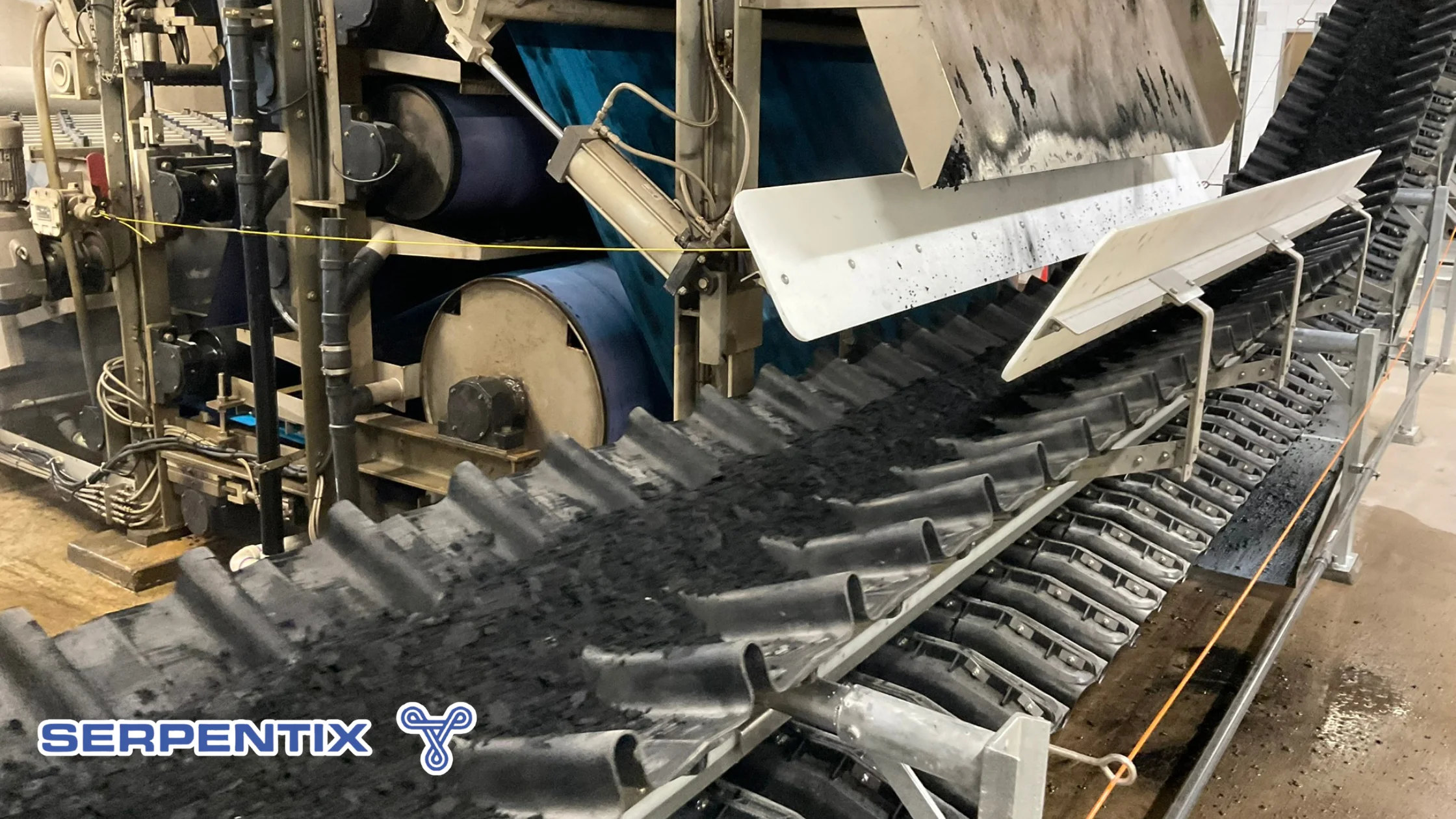
Belt conveyor systems work effectively for dewatered sludge transport, particularly when handling materials processed through centrifuges or filter presses. The smooth belt surface prevents material degradation while enabling longer transport distances.
Enclosed belt systems provide odor control benefits while preventing environmental contamination. Our Model-H conveyor features variable speed drives that optimize energy consumption based on material flow requirements.
Ready to explore conveyor options for your facility? Request a quote from our team to discuss your specific sludge handling needs.
Odor Control Solutions
Enclosed System Design
Enclosed sludge conveyors contain odorous materials during transport, preventing direct exposure to ambient air. These systems incorporate sealed housings with integrated ventilation that directs captured air to treatment systems or biofilters.
Proper sealing at loading and discharge points prevents odor escape while maintaining accessibility for maintenance. Advanced designs include airlocks and pressure balancing systems that minimize odor release during operation.
Chemical Odor Suppression
Chemical treatment systems neutralize odorous compounds through targeted application of specialized solutions. These systems apply formulated products that chemically bind with hydrogen sulfide, ammonia, and other problematic compounds.
Automated dosing systems ensure consistent treatment while minimizing chemical consumption. The integration with conveyor controls enables responsive treatment based on material characteristics and flow rates.
Spillage Prevention Strategies
Design Features
Effective grit & screenings conveyor systems incorporate multiple spillage prevention mechanisms including proper belt tracking and strategic collection systems. Advanced tracking technologies automatically adjust belt alignment, compensating for material buildup or wear.
Material loading techniques significantly impact spillage potential through controlled flow and reduced impact forces. Our fabrication capabilities ensure custom loading chutes and flow control gates are optimized for material placement based on conveyor capacity.
Secondary Containment
Collection pans and return conveyors capture escaped material while protecting environmental compliance. These systems redirect spilled material back into the process stream, minimizing waste and cleanup requirements.
Washdown systems facilitate routine cleaning while maintaining contained drainage to prevent environmental contamination. Strategic placement ensures effective coverage while minimizing water consumption.
Need expert consultation on spillage prevention? Submit your drawings for professional analysis and recommendations.
Essential Maintenance Practices
Preventive Maintenance Programs
Regular inspection schedules focus on critical wear points including bearings, drive components, and material contact surfaces. The corrosive nature of wastewater materials accelerates wear patterns, making frequent inspections essential for identifying issues before equipment failure.
Lubrication programs must account for challenging operating conditions where standard lubricants may not provide adequate protection. Marine-grade or food-grade lubricants often deliver superior performance in high-moisture, chemically aggressive environments.
Component Replacement Strategies
Critical components like drive motors and gearboxes warrant spare unit availability to minimize downtime during failures. Establishing relationships with reliable suppliers ensures rapid access to replacement parts and technical support.
Belt cleaning systems maintain dewatering conveyor performance by removing accumulated material that causes tracking problems and accelerated wear. Multiple cleaning stages ensure thorough material removal and optimal belt life.
Corrosion-Resistant Conveyor Solutions
Material Selection
Corrosion-resistant conveyors utilize specialized materials and coatings to withstand harsh wastewater environments. Stainless steel components provide excellent durability while specialized surface treatments extend service life.
Material grades must match the corrosivity of handled materials and environmental conditions. Learn more about our quality certifications that ensure materials meet industry standards. The investment in appropriate materials pays dividends through reduced maintenance and extended equipment life.
Protective Systems
Sealed bearing designs prevent contamination from washdown operations and humid environments. Proper sealing extends bearing life while reducing maintenance intervention requirements.
Drive system enclosures protect critical components from moisture and chemical exposure. These protective measures ensure reliable operation while minimizing replacement costs.
Looking for corrosion-resistant solutions? Find a rep in your area for personalized consultation and support.
Integration with Treatment Processes
Flow Control Systems
Conveyor capacity must match upstream and downstream equipment capabilities to prevent bottlenecks or overflow conditions. Variable frequency drives enable speed adjustments based on material flow rates and processing requirements.
Interface designs between conveyors and processing equipment affect both performance and maintenance access. Proper clearances allow equipment servicing while maintaining process continuity.
Control System Integration
Modern conveyor controls communicate with SCADA systems, providing real-time status information and enabling automated responses to changing conditions. These systems optimize overall plant performance while reducing manual intervention.
Alarm systems alert operators to abnormal conditions including belt tracking issues, motor overloads, and material blockages. Early warning prevents minor issues from developing into costly equipment failures.
Cost-Effective Solutions
Small Plant Applications
Simplified conveyor designs reduce initial investment while providing reliable performance for smaller facilities. Modular systems allow future expansion as treatment capacity increases.
Essential function focus maintains reliability while preserving flexibility for future upgrades. These installations balance performance requirements with budget constraints typical of smaller operations.
Large Facility Requirements
Sophisticated systems with enhanced automation justify higher investments through reduced operating costs and improved process control. Advanced monitoring and predictive maintenance capabilities provide long-term value.
Regional considerations including coastal salt exposure or cold climate protection influence equipment selection and installation approaches. Our automation solutions integrate seamlessly with existing plant control systems while these factors must be addressed during initial design phases.
Regulatory Compliance Benefits
Serpentix provides comprehensive solutions for the water and wastewater industry, addressing the unique challenges these facilities face. Our engineering team has extensive experience with treatment plant applications and can recommend optimal conveyor configurations for your specific requirements.
Documentation capabilities automatically log operating parameters, maintenance activities, and alarm conditions, simplifying regulatory reporting requirements. Energy efficiency features reduce both operating costs and environmental impact.
Key Maintenance Guidelines
Regular maintenance ensures reliable sludge conveyor operation while maximizing equipment life:
- Inspect bearings and drive components monthly for wear indicators
- Maintain proper lubrication using appropriate grades for wastewater environments
- Clean belt systems regularly to prevent tracking issues and material buildup
- Monitor alignment and tension to prevent premature belt wear
- Replace worn components before failure to avoid unplanned downtime
- Document maintenance activities for regulatory compliance and warranty purposes
Effective sludge conveyor systems provide the foundation for reliable wastewater treatment operations. Through proper selection, installation, and maintenance practices, these systems deliver dependable service while supporting environmental compliance and operational efficiency.