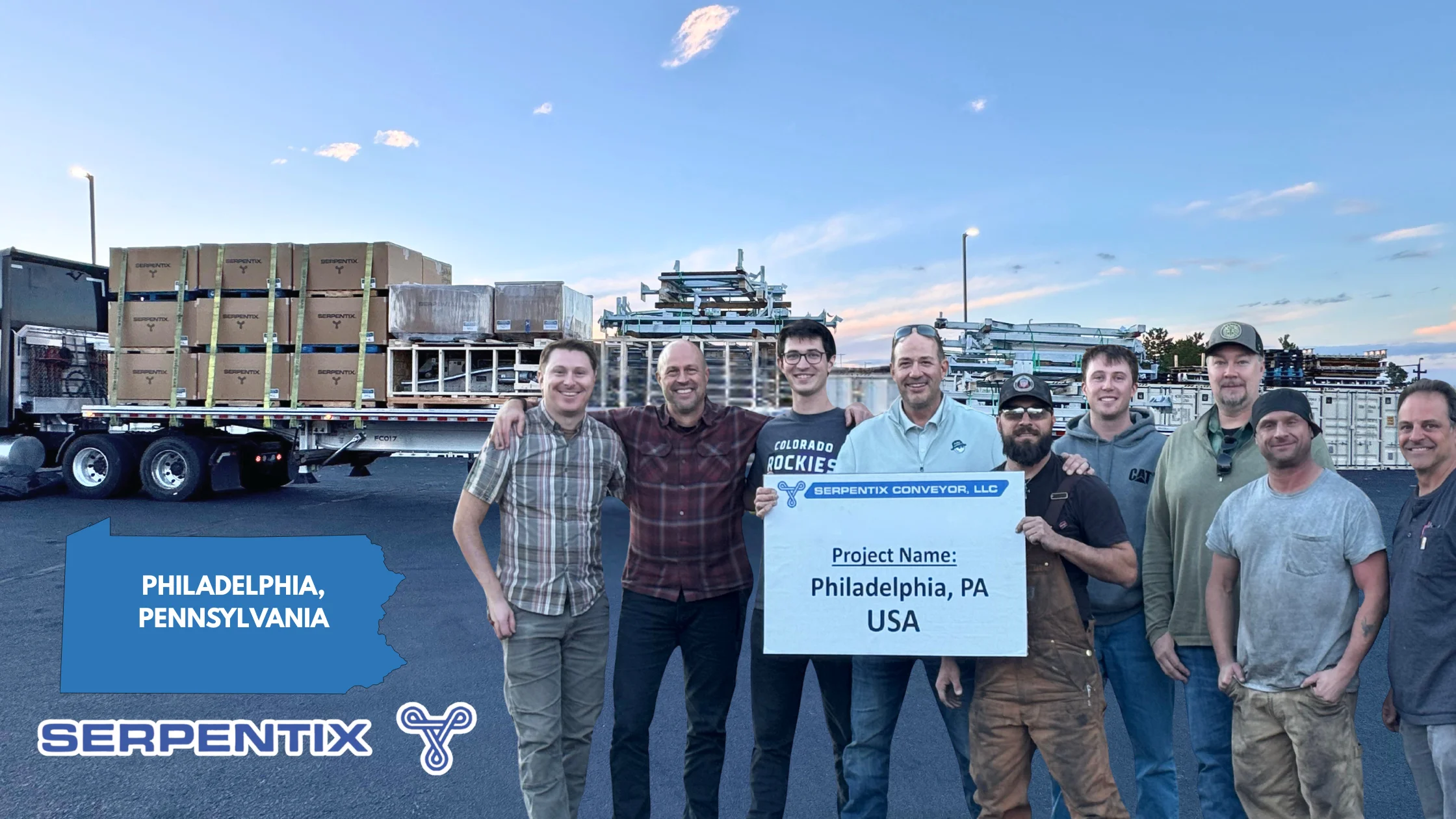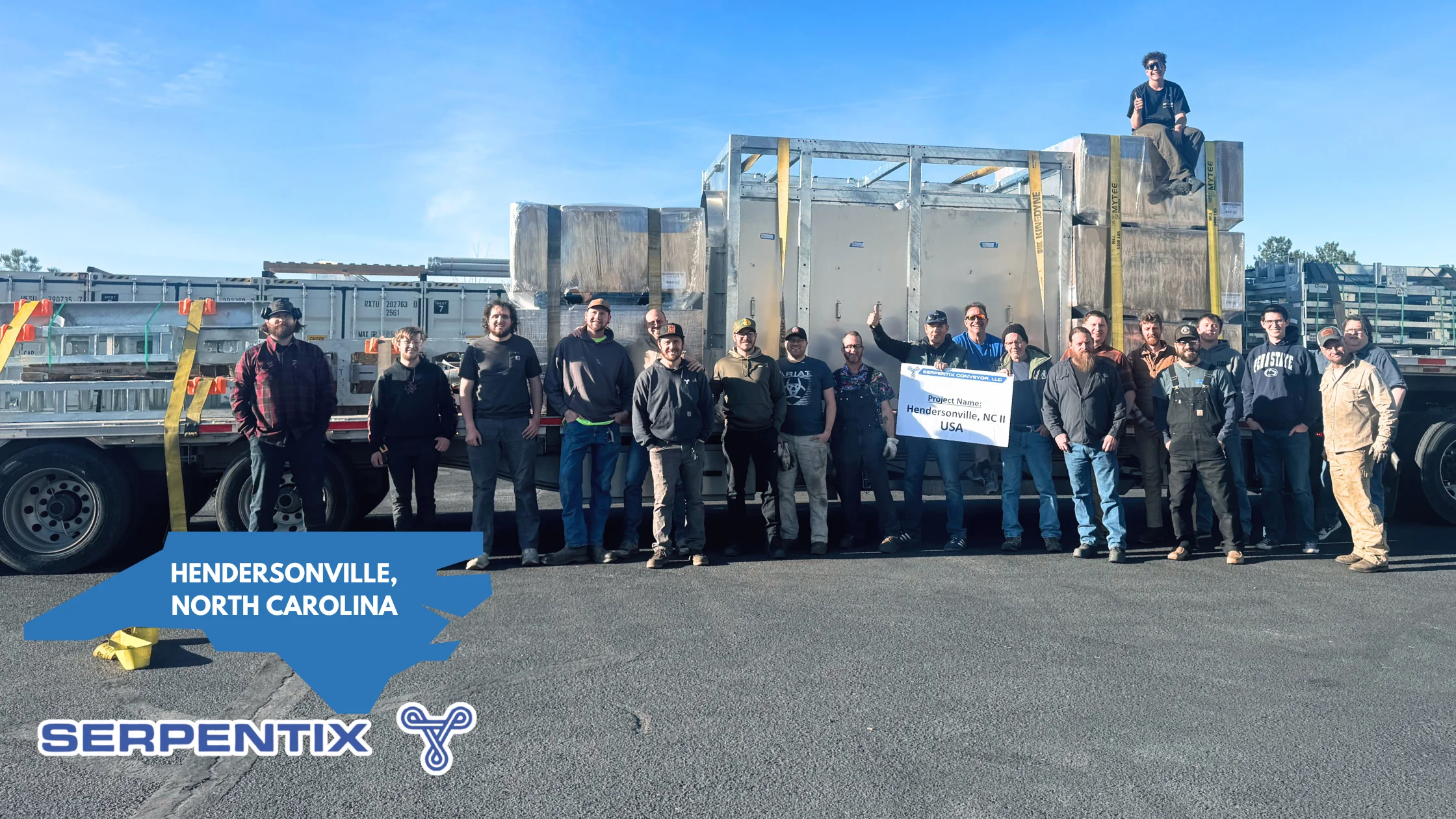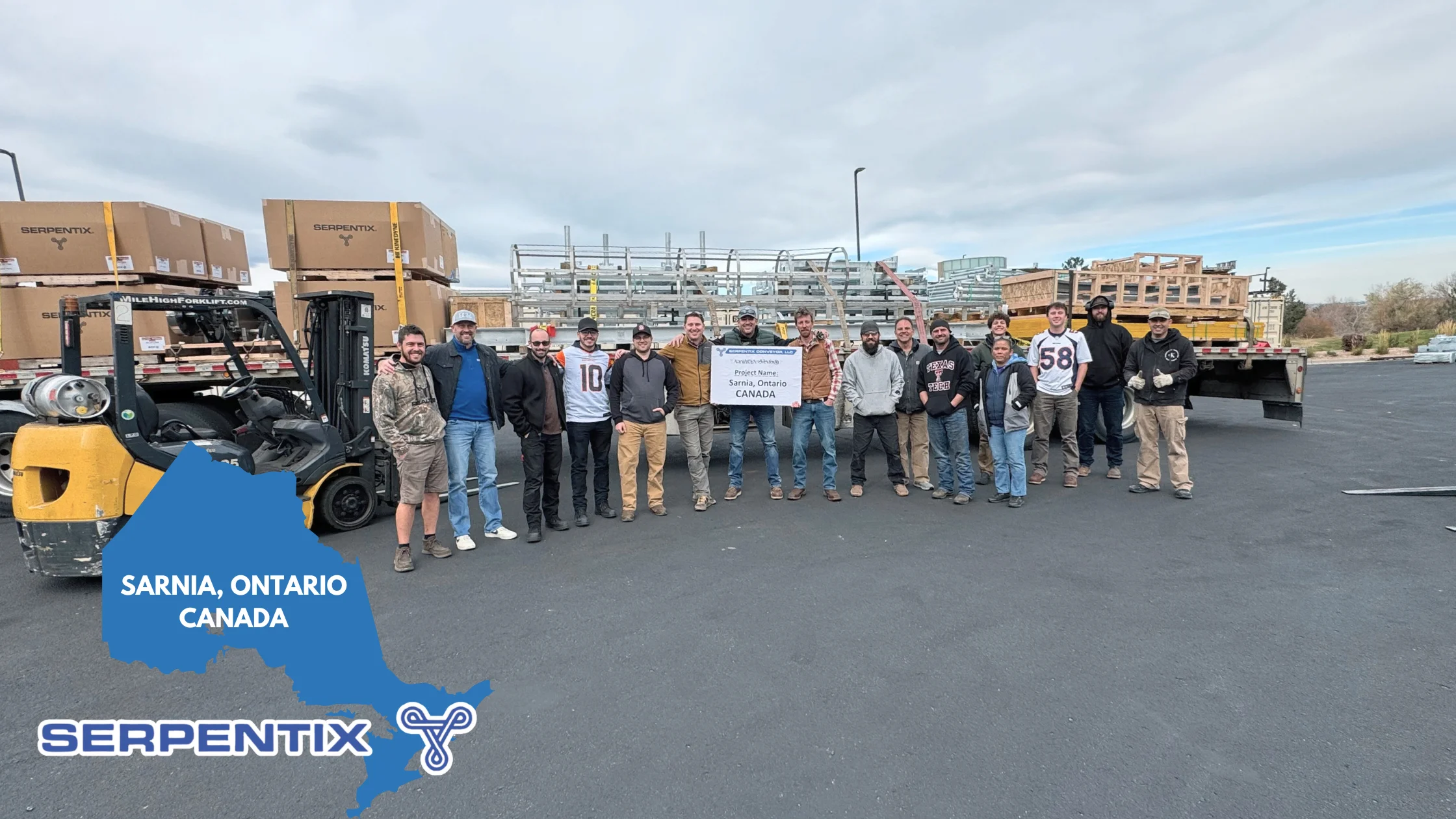
In the world of municipal infrastructure projects, timeline delays can cascade into significant operational and financial impacts. When Sarnia, Ontario needed to implement a challenging sludge conveying solution with a steep elevation gain, the project demanded both engineering precision and rapid deployment. The successful installation and commissioning of a 125-foot Pathwinder conveyor system in under two weeks from shipment demonstrates how strategic planning and proven technology can meet aggressive project schedules.
The Engineering Challenge: Steep Elevation with Limited Space
Sarnia’s wastewater treatment facility faced a complex material handling challenge that required moving dewatered sludge across a 125-foot horizontal distance while achieving a substantial elevation gain. In wastewater treatment applications, steep inclines present unique challenges:
- Material flowback concerns with high moisture content sludge
- Increased power requirements for elevation changes
- Structural considerations for supporting angled conveyors
- Safety access for maintenance on elevated equipment
The engineering solution centered on Serpentix’s Pathwinder conveyor technology, specifically designed to handle challenging materials like municipal sludge while navigating complex facility layouts. The system’s enclosed design prevents material spillage even at steep angles, while the continuous chain and flight configuration ensures positive material movement regardless of moisture content variations.
Custom Maintenance Platform: Prioritizing Long-Term Operability
Beyond the conveyor itself, the project included design and fabrication of a large maintenance platform surrounding the conveyor discharge area. This critical component addresses several operational requirements:
Safety Compliance: Meeting Canadian Standards Association (CSA) requirements for elevated work platforms, including proper guardrails, toe boards, and anti-slip surfaces.
Operational Access: Providing sufficient space for maintenance personnel to safely inspect and service the discharge area, wear components, and drive systems.
Integration Flexibility: Allowing for future modifications or equipment additions without compromising safety or access.
The detailed engineering drawings reveal comprehensive planning for the maintenance platform, with precise specifications for:
- Platform dimensions accommodating multiple workers and tools
- Strategic handrail placement per CSA standards
- Load ratings suitable for maintenance equipment
- Corrosion-resistant construction matching the conveyor’s 304 stainless steel specification
Accelerated Installation: From Shipment to Operation in Record Time
Perhaps the most impressive aspect of the Sarnia project was its execution timeline. The system achieved full operational status in under two weeks from the shipment date – a remarkable achievement for a complex elevated conveyor installation. This rapid deployment resulted from several coordinating factors:
Pre-Installation Planning: Detailed engineering drawings provided to the contractor enabled advance preparation of mounting points, electrical rough-ins, and access routes. The standard notes and specifications included in the engineering package ensured all parties understood their responsibilities before equipment arrival.
Modular Design: The Pathwinder system’s modular construction allowed for efficient assembly sequencing. Track sections, drive components, and the maintenance platform were designed for logical installation progression, minimizing crane time and labor requirements.
Factory Technician Support: On-site commissioning by experienced Serpentix technicians ensured proper startup procedures, system adjustments, and knowledge transfer to facility operators. This hands-on support proved crucial in achieving the aggressive timeline while ensuring long-term reliability.
Technical Specifications: Engineering for Canadian Conditions
Operating in Sarnia’s climate presents unique challenges for wastewater equipment. The system design accounts for:
Temperature Extremes: Southern Ontario experiences temperature swings from -30°C to +35°C, requiring careful material selection and thermal expansion considerations. The 304 stainless steel construction provides stability across this range while maintaining corrosion resistance.
Regulatory Compliance: Canadian facilities must meet stringent provincial and federal regulations. The conveyor design incorporates features addressing Ontario Ministry of Environment requirements for odor control and spillage prevention.
Electrical Standards: All electrical components meet Canadian Electrical Code requirements, with the contractor responsible for final connections per CSA standards. The control panel layout optimized for cold weather operation with appropriate heating elements and weatherproofing.
The Value of Proven Technology in Time-Critical Projects
The Sarnia installation highlights how established conveyor technology can reduce project risk and accelerate timelines. Key factors contributing to the rapid deployment success include:
- Standardized components reducing lead times
- Proven designs eliminating field modifications
- Experienced installation guidance from factory technicians
- Comprehensive documentation facilitating contractor preparation
For municipalities facing infrastructure deadlines, these factors can mean the difference between project success and costly delays. The Environmental Protection Agency notes that construction delays in wastewater projects average 40% longer than initial schedules – making Sarnia’s two-week achievement even more remarkable.
Looking to meet aggressive project timelines for your facility upgrades? Request a quote to explore how proven conveyor technology can accelerate your sludge handling improvements.
Material Handling in Challenging Applications
The steep elevation gain required for Sarnia’s application demonstrates the versatility of modern enclosed conveyor technology. Traditional sludge pumping systems often struggle with varying moisture contents and can experience significant wear when pumping over long distances or high elevations. The Pathwinder’s mechanical conveying approach offers several advantages:
Consistent Performance: Chain and flight systems maintain steady material flow regardless of sludge consistency variations between 15-35% solids content.
Reduced Maintenance: Compared to progressive cavity pumps handling similar elevations, enclosed conveyors typically require less frequent maintenance interventions.
Energy Efficiency: Once material is in motion, mechanical conveying requires less energy per ton of material moved compared to pumping systems fighting static head pressure.
Operational Flexibility: The system can stop and start under load without concerns about line plugging or priming losses common with pumping systems.
Integration with Existing Infrastructure
The project drawings reveal careful attention to interfacing with Sarnia’s existing facility infrastructure. Key integration points included:
- Precise discharge positioning to align with downstream equipment
- Structural attachment points designed to distribute loads to existing building elements
- Access routes planned to avoid interference with other facility operations
- Utility connections coordinated with available power and control systems
This level of integration planning contributed significantly to the rapid installation timeline. Contractors could prepare mounting points and utility rough-ins before equipment arrival, eliminating common field conflicts that delay projects.
Long-Term Reliability Through Quality Construction
The specification of 304 stainless steel throughout the system represents a significant investment in long-term reliability. In the corrosive environment of wastewater treatment, material selection directly impacts equipment lifespan. The Conveyor Equipment Manufacturers Association (CEMA) recommends stainless steel construction for applications involving:
- Hydrogen sulfide exposure
- High chloride environments
- Frequent washdown requirements
- Extended design life expectations
The Sarnia system’s comprehensive use of stainless steel – from structural components to hardware – positions it for decades of reliable service with minimal corrosion-related maintenance.
Lessons for Future Projects
The Sarnia installation offers valuable lessons for facilities planning similar upgrades:
Early Contractor Engagement: Providing detailed engineering drawings during the bid process allows contractors to accurately plan installation sequences and identify potential challenges.
Factory Support Value: Including factory technician support in project specifications ensures proper commissioning and operator training, reducing long-term operational issues.
Platform Planning: Incorporating comprehensive maintenance access from the design phase prevents safety compromises and facilitates long-term equipment care.
Timeline Realism: While Sarnia achieved remarkable installation speed, this resulted from exceptional coordination between all parties. Facilities should plan conservatively while creating conditions for accelerated schedules.
Ready to transform your facility’s sludge handling capabilities? Find your local representative to discuss how Pathwinder technology can solve your elevation and distance challenges.
Future Expansion Considerations
The Sarnia installation’s modular design provides flexibility for future facility modifications. The maintenance platform’s robust construction can accommodate additional equipment such as:
- Sampling systems for process monitoring
- Chemical addition points for conditioning
- Bypass connections for maintenance flexibility
- Instrumentation for automated operation
This forward-thinking approach aligns with modern infrastructure planning principles, where initial investments consider decades of potential facility evolution.
Conclusion
The Sarnia Pathwinder installation demonstrates that complex engineering challenges need not result in extended project timelines. Through careful planning, proven technology selection, and coordinated execution, the facility achieved a challenging 125-foot elevated sludge conveying solution in under two weeks from equipment shipment.
For wastewater treatment facilities across Canada and beyond, this project provides a roadmap for successful conveyor implementations. The combination of robust engineering, quality construction, and expert support creates conditions for both rapid deployment and long-term reliability.
As municipalities continue modernizing aging infrastructure while managing tight budgets and timelines, the Sarnia example shows that success lies in partnering with experienced equipment providers who understand both the technical and practical aspects of wastewater applications.
Interested in achieving similar success for your facility? Submit your project drawings to our engineering team for a consultation on how enclosed conveyor technology can meet your sludge handling challenges while respecting your project timeline.