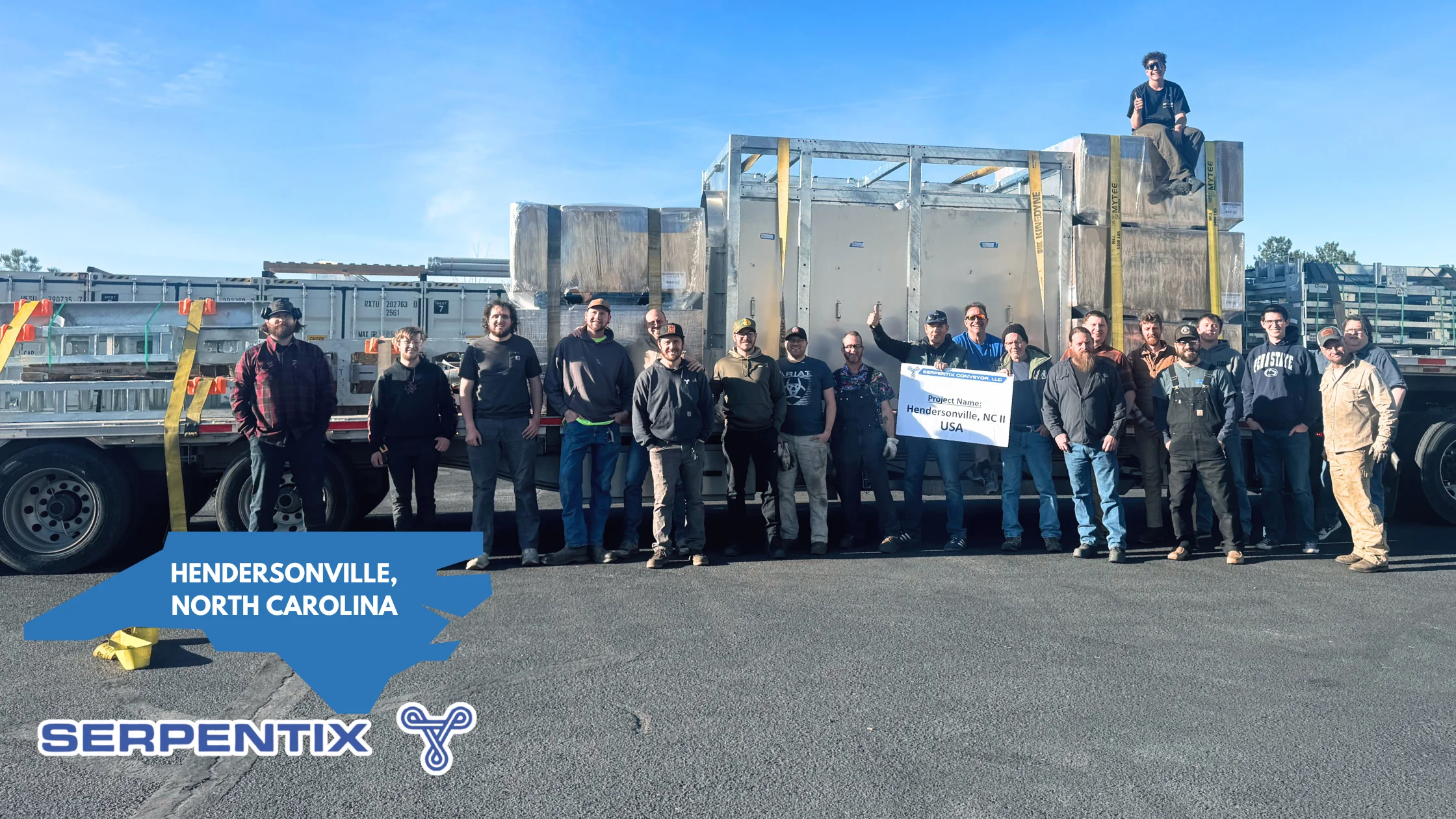
When the City of Hendersonville, North Carolina faced the challenge of decommissioning an aging pug mill while modernizing their sludge handling capabilities, they turned to a solution that leveraged both existing infrastructure and new technology. The project showcases how strategic conveyor system planning can maximize the value of long-term equipment investments while meeting evolving operational needs.
The Challenge: Modernizing While Maximizing Existing Assets
Wastewater treatment facilities face unique challenges when upgrading their sludge handling systems. Equipment replacement costs, operational disruption, and the need to maintain continuous service all factor into modernization decisions. Hendersonville’s situation exemplified these challenges – they needed to decommission outdated equipment while improving their overall sludge processing capabilities.
The city’s existing Serpentix Model-H conveyor, installed in 1999, had provided reliable service for over two decades. Rather than replacing this proven system, engineers developed a solution that integrated new equipment with the existing conveyor, demonstrating the long-term value of quality material handling equipment.
The Solution: Strategic Integration of New and Existing Systems
The engineering team designed a nearly 164-foot Model-H conveyor system that seamlessly connects to the discharge point of the existing 1999 conveyor. This new system transports dewatered sludge to a modern drying facility located in an adjacent building, creating an efficient material flow that leverages both old and new infrastructure.
Key design considerations included:
- Precise alignment with the existing conveyor’s discharge point
- Adequate capacity to handle the facility’s current and projected sludge volumes
- Corrosion-resistant construction suitable for the demanding wastewater environment
- Minimal modifications to existing structures and equipment
The Model-H conveyor design selected for this application offers several advantages for sludge handling applications. Its enclosed design minimizes odor concerns while protecting the material from environmental factors during transport. The system’s robust construction ensures reliable operation in the corrosive environment typical of wastewater treatment facilities.
Engineering Excellence in Wastewater Applications
The project drawings reveal meticulous attention to detail in addressing the unique challenges of sludge conveying. All structural components utilize 304 stainless steel construction, providing essential corrosion resistance in the harsh wastewater environment. The engineering specifications emphasize the importance of proper hardware selection, with all fasteners requiring anti-seize treatment to ensure long-term maintainability.
According to the Water Environment Federation, proper material selection in wastewater applications can extend equipment life by 50% or more compared to standard carbon steel construction. This investment in quality materials positions Hendersonville’s system for decades of reliable service, following the example set by their original 1999 conveyor.
Long-Term Value Through Quality Engineering
The success of Hendersonville’s existing Model-H conveyor, now approaching 26 years of continuous service, demonstrates the long-term value of investing in quality conveyor systems. This longevity provides several benefits:
- Reduced total cost of ownership through extended equipment life
- Predictable maintenance requirements based on decades of operational history
- Compatibility with future upgrades and expansions
- Minimal disruption to facility operations during modernization projects
For municipalities and industrial facilities evaluating sludge handling equipment, this project illustrates the importance of considering lifecycle costs rather than just initial investment. Quality conveyor systems designed specifically for wastewater applications can provide reliable service for decades when properly maintained.
Technical Specifications and Design Features
The new Model-H conveyor incorporates several design features optimized for sludge handling:
Structural Design: The conveyor utilizes heavy-duty 304 stainless steel construction throughout, including track assemblies, support structures, and hardware. This material selection ensures resistance to the corrosive effects of hydrogen sulfide and other compounds common in wastewater environments.
Drive System: The system features a robust drive arrangement capable of handling the variable loads associated with sludge transport. The design accounts for the changing material characteristics as sludge moves from the dewatering process to the drying facility.
Maintenance Access: Strategic placement of inspection points and maintenance platforms ensures safe access for routine servicing without disrupting conveyor operation.
Ready to explore how continuous conveyor technology can improve your facility’s sludge handling operations? Submit your project drawings to our engineering team for a complimentary consultation on integrating modern conveyor solutions with your existing infrastructure.
Industry Standards and Best Practices
The Hendersonville project adheres to established industry standards for wastewater equipment design. The Conveyor Equipment Manufacturers Association (CEMA) provides guidelines for conveyor applications in corrosive environments, emphasizing the importance of material selection and protective coatings.
Additionally, the project design considers OSHA regulations for worker safety, incorporating proper guarding, emergency stops, and maintenance access platforms. These safety features ensure compliance while protecting facility personnel during operation and maintenance activities.
Future-Proofing Municipal Infrastructure
As municipalities face increasing pressure to improve treatment efficiency while managing budgets, the Hendersonville approach offers a blueprint for strategic infrastructure investment. By building upon proven, existing equipment rather than wholesale replacement, facilities can:
- Maximize return on previous investments
- Minimize operational disruption during upgrades
- Reduce project costs while achieving modernization goals
- Maintain institutional knowledge of existing systems
The integration of new conveyor systems with decades-old equipment demonstrates that quality material handling solutions are truly long-term investments. This approach aligns with sustainable infrastructure practices emphasized by the Environmental Protection Agency, which encourages extending equipment life through strategic upgrades rather than premature replacement.
Planning Your Sludge Handling Upgrade
For facilities considering similar upgrades, several factors warrant careful consideration:
Existing Equipment Assessment: Evaluate the condition and remaining life of current conveyors. Quality systems like Serpentix’s Model-H can often continue serving for decades with proper maintenance.
Future Capacity Requirements: Design new systems with growth in mind. Population increases and regulatory changes may impact sludge volumes over the equipment’s service life.
Integration Challenges: Consider how new equipment will interface with existing systems. Precise engineering ensures smooth transitions between old and new components.
Operational Flexibility: Design for various operating scenarios, including maintenance periods and seasonal variations in sludge characteristics.
Interested in maximizing the value of your existing conveyor infrastructure? Contact our engineering team to discuss how modern conveyor technology can integrate with your current systems for improved material handling efficiency.
Conclusion
The Hendersonville sludge handling upgrade demonstrates the enduring value of quality conveyor systems in wastewater applications. By leveraging a 25-year-old Model-H conveyor as part of a comprehensive modernization strategy, the city achieved its operational goals while maximizing return on previous investments. This project serves as a model for facilities seeking to balance modernization needs with fiscal responsibility.
For wastewater treatment facilities across North America, the message is clear: investing in quality conveyor systems pays dividends over decades of service. Whether planning new installations or upgrading existing equipment, the Hendersonville project illustrates how strategic engineering can create solutions that stand the test of time.
Ready to develop a long-term material handling strategy for your facility? Find your local Serpentix representative to begin exploring how continuous conveyor technology can transform your sludge handling operations.