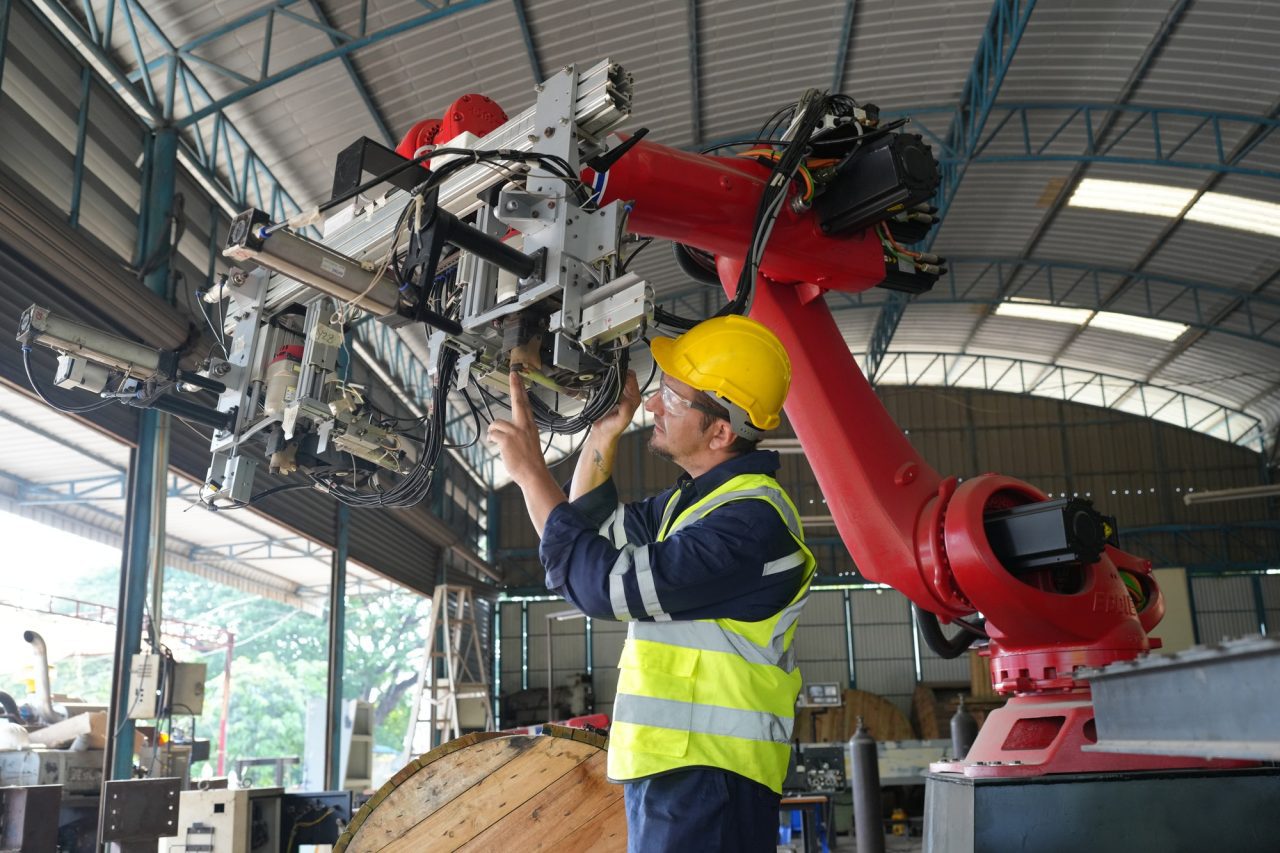
U.S. Gypsum needed a dependable system to transport raw gypsum through multiple stages of its Southard, Oklahoma processing facility. Serpentix conveyors were installed to navigate inclines, confined layouts, and continuous production demands. The system improved material flow, reduced handling bottlenecks, and supported consistent, large-scale gypsum production.
Challenges
Legacy sludge beds and manual grit/screenings removal caused high labor demand
Infiltration of unidentified “plastic-like” filament material damaged pumps and digesters
Layout inefficiencies complicated material transport and bar screen integration
Required EPA-compliant outfall via new 14,000-foot underwater discharge line
Serpentix Solutions
Sludge Dewatering Conveyor (51.5'):
Elevates 1 ton/hr at 35° into truck hopper or glass-enclosed sludge storage
Grit Conveyor (48.5'):
Curved incline from existing chamber into centralized loadout building
Screenings Conveyor (145'):
- Horseshoe-shaped path with multiple vertical/horizontal/helical turns
- Connects new bar screen, dips to grit chamber, climbs into loadout hopper
All belts are 20" wide; motors range from 2–3 HP
Conveyors only run when bar screens are active, optimizing energy use
Results
Converted 5 sludge beds to 80,000 ft³ odor-controlled enclosed storage
Enabled seasonal sludge pickup by farmers for land reuse
Eliminated comminutor breakdowns via bar screens + strategic conveyor pathing
Delivered one of the nation’s most complex grit/screenings conveyor retrofits
Supported a $10M plant upgrade raising capacity from 3 to 4.5 MGD (11 MGD peak)
Future-ready expansion planned to 6 MGD / 14 MGD peak by 2005
Case Study: St. Mary’s County Metropolitan Commission
Industry: Water & Wastewater / Municipal Modernization
Location: Lexington Park, MD
Systems Used: Three Serpentix Continuous Path Conveyors (51.5′, 48.5′, 145′)
Application: Transporting sludge, grit, and screenings through modular paths across 1960s-era facility upgrades
Challenges
Legacy sludge beds and manual grit/screenings removal caused high labor demand
Infiltration of unidentified “plastic-like” filament material damaged pumps and digesters
Layout inefficiencies complicated material transport and bar screen integration
Required EPA-compliant outfall via new 14,000-foot underwater discharge line
Serpentix Solutions
Sludge Dewatering Conveyor (51.5′):
Elevates 1 ton/hr at 35° into truck hopper or glass-enclosed sludge storage
Grit Conveyor (48.5′):
Curved incline from existing chamber into centralized loadout building
Screenings Conveyor (145′):
Horseshoe-shaped path with multiple vertical/horizontal/helical turns
Connects new bar screen, dips to grit chamber, climbs into loadout hopper
All belts are 20″ wide; motors range from 2–3 HP
Conveyors only run when bar screens are active, optimizing energy use
Results
Converted 5 sludge beds to 80,000 ft³ odor-controlled enclosed storage
Enabled seasonal sludge pickup by farmers for land reuse
Eliminated comminutor breakdowns via bar screens + strategic conveyor pathing
Delivered one of the nation’s most complex grit/screenings conveyor retrofits
Supported a $10M plant upgrade raising capacity from 3 to 4.5 MGD (11 MGD peak)
Future-ready expansion planned to 6 MGD / 14 MGD peak by 2005