
AUTOMATION
Custom Industrial Control Panels
UL 508A–compliant control panels engineered to integrate seamlessly with conveyor systems and industrial automation environments.
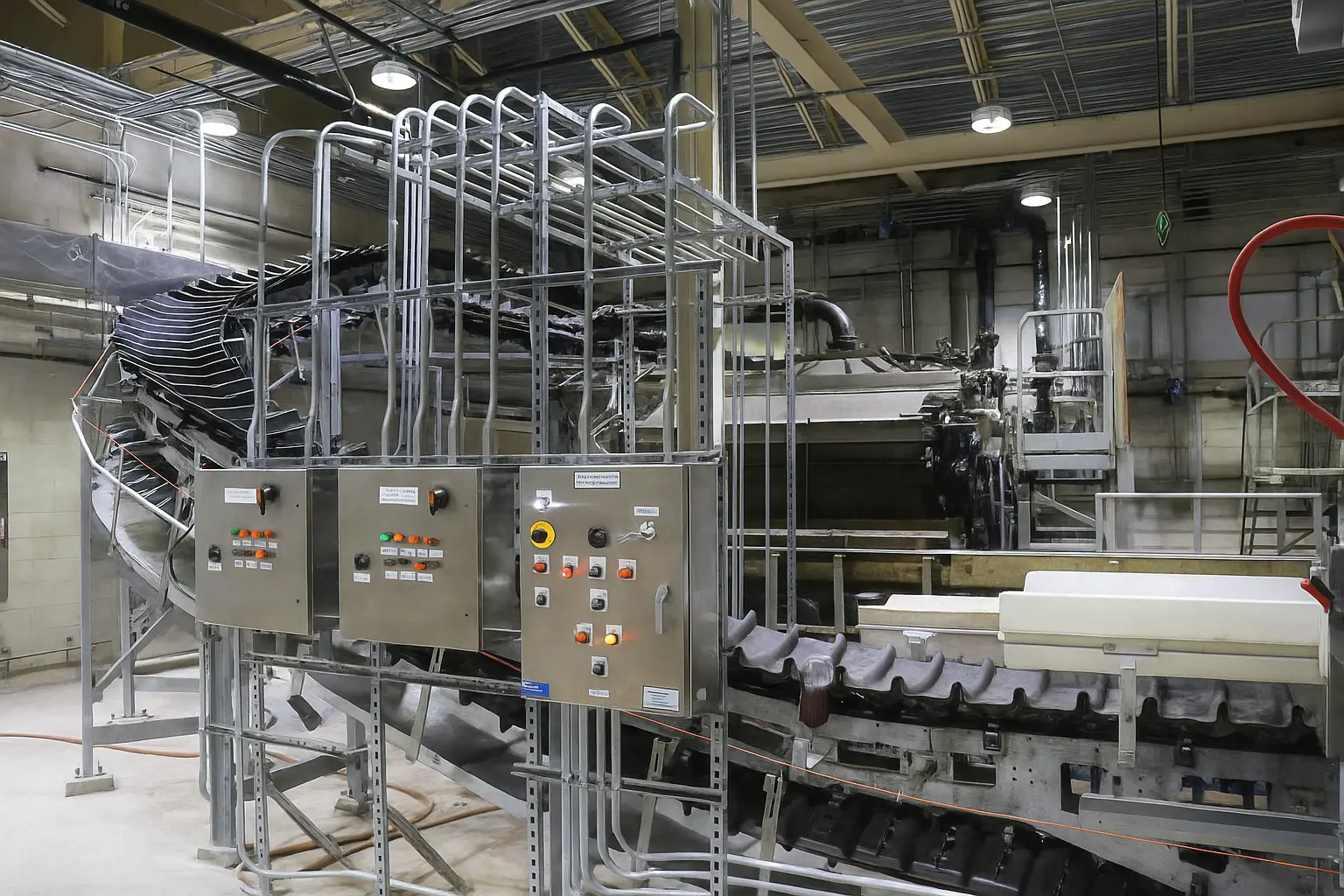
Reliable Control Systems for Every Industry
Serpentix Automation delivers state-of-the-art, customizable control panels designed for a wide range of process, machine, and equipment applications. Each panel is engineered to meet strict quality standards while ensuring seamless integration with conveyors, fabrication systems, and industrial operations.
- Actuators
- Batch Panels
- Conveyors
- Drives
- Fans
- HVAC Systems
- Mixing Systems
- Pumps
- Robotics
- Power Distribution
- Wastewater Treatment
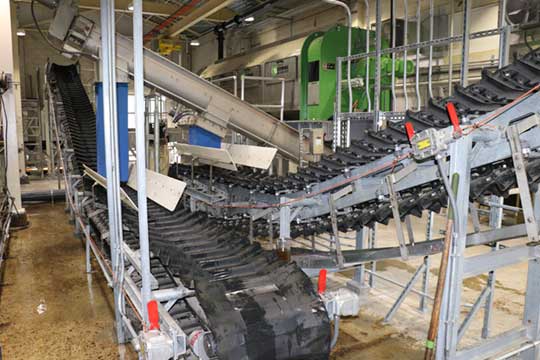
High Quality Custom Control Panels
Serpentix Automation provides state of the art, customizable control panels that function for a wide range of process-related equipment.
For companies that provide equipment requiring control panels but lack the capability to produce them, we help to bridge the gap. This allows companies to focus on their primary service with the assurance that their clients will receive a quality control panel and a complete equipment package.
Our team of experienced engineers and skilled craftsmen understands the industrial controls market inside and out. We provide:
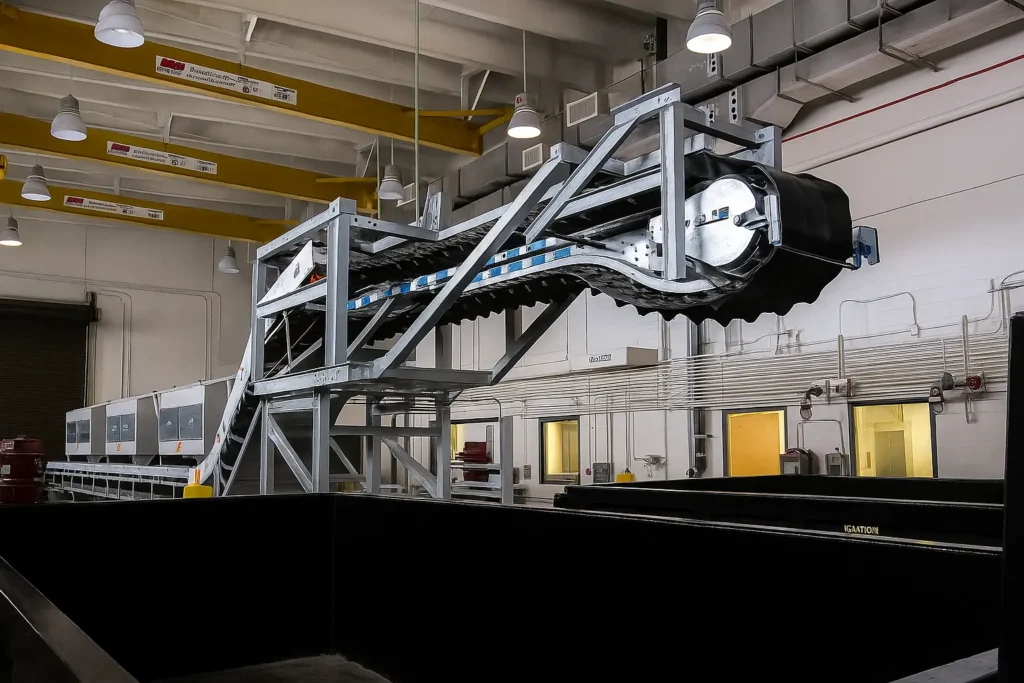
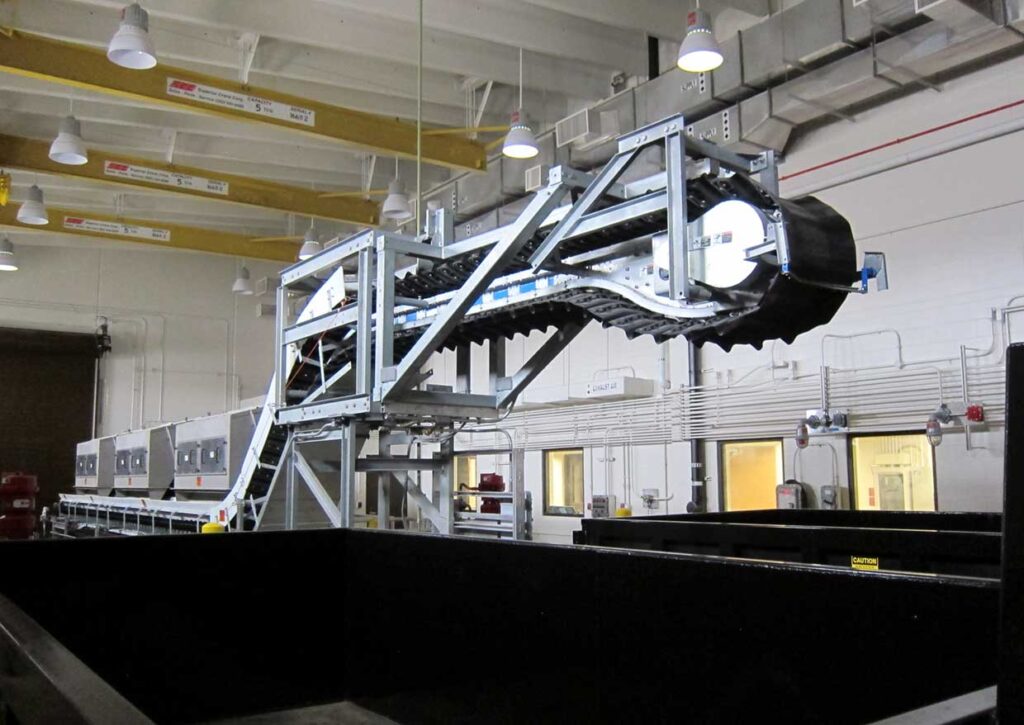
Who We Are
Our team of experienced engineers and skilled craftsmen understands the industrial controls market inside and out. We provide:
Custom-built control panels tailored to your equipment
Cost-effective solutions without compromising quality
Exceptional customer service with a personal touch
Long-term reliability and support
What We Build
Our panels are engineered to meet the demands of complex processes, environmental conditions, and regulatory standards.
Common Applications Include:
Process & Utility Systems
Pumps
Compressors
Fans
Cooling Towers
Lift Stations
Water Treatment
Material Handling & Production
Conveyors
Packaging Lines
Extruders
Grinders
Valves
Batch Plants
Specialized & Hazardous Equipment
Burner Controls
Fueling Systems
Vehicle Washes
Renewable Energy Systems
Pulping Mills
Engineering Expertise You Can Rely On
Serpentix Automation designs and builds custom control panels that meet strict UL standards and perform reliably in demanding industrial environments. Our engineers combine practical field experience with precision engineering to deliver solutions that are safe, scalable, and built to integrate seamlessly with your operation.
From initial concept through fabrication and commissioning, we focus on long-term reliability, clear documentation, and systems that are built to run — not babysit.
- Pumps
- Compressors
- Fans
- Cooling Towers
- Lift Stations
- Water Treatment
- Conveyors
- Packaging Lines
- Extruders
- Grinders
- Valves
- Batch Plants
- Burner Controls
- Fueling Systems
- Vehicle Washes
- Renewable Energy Systems
- Pulping Mills
Industries We Serve
Oil & Gas
Food & Beverage
Metals & Minerals
Power Generation
Household Manufacturing
Pulp & Paper
Packaging
Water & Wastewater
Hazardous Location Expertise
We design panels for hazardous environments using certified methods and enclosures. For full details on our UL certifications and enclosure ratings, visit our Certifications Page.
Power Integration
Our systems are designed to operate seamlessly with standard power configurations, from residential circuits to heavy-duty industrial power, ensuring flexible installation in any facility.
120V residential circuits
240V household systems
208V industrial-grade power
Control Components
Our panels include advanced control devices:
Control Relays: Basic on/off switching
Time Delay Relays: Scheduled activation/deactivation
Repeat Cycle Timers: Alternating energized/de-energized cycles
Power Integration
Single-Phase: 120V residential circuits
Dual-Phase: 240V household systems
Three-Phase: 208V industrial-grade power
Enclosure Options
We offer a range of NEMA-rated enclosures to suit your environment:
| Rating | Use Case |
|---|---|
| NEMA 1 | Basic indoor protection |
| NEMA 4 | Indoor/outdoor, water-resistant |
| NEMA 4X | Corrosion-resistant (FRP or stainless steel) |
| NEMA 7/9 | Explosion-proof for hazardous areas |
Ideal for...
Our panels include advanced control devices:
Basic on/off switching
Scheduled activation/deactivation
Alternating energized/de-energized cycles
Industries We Serve
Oil & Gas
Food & Beverage
Pulp & Paper
Water & Wastewater
Packaging
Power Generation
Manufacturing
Household Systems
Automation FAQ
Hazardous areas are areas that include potentially explosive vapors and/or dust are defined as hazardous. Due to the normal arching that occurs in electrical switching circuits, explosive vapors and dust present the possibility of igniting and exploding if they make their way into an electrical control panel.
The classification system used to describe hazardous areas includes three elements:
- Class: The general class or type of explosive substance in the area.
- Class 1 indicates explosive vapors are present.
- Class 2 indicates explosive dust is present.
- Division: What the degree of exposure is to the explosive substances in the area.
- Division 1 indicates the area is constantly exposed to explosive substances.
- Division 2 indicates the area is only exposed to explosive substances in the event of an accident or leak.
- Group: What the specific explosive substance(s) is/are in the area.
NEMA stands for, The National Electrical Manufacturers Association, and is a collection of electrical equipment manufacturing standards.
NEC or, The National Electrical Code, was developed by the National Fire Protection Association (NFPA) for describing safe electrical equipment and safe electrical installation methods. This collection of standards is the most commonly used by states, municipalities and cities that have the authority to reject an electrical installation, if the installation doesn’t meet NEC standards.
NEMA 1 Enclosure: Although NEMA 1 enclosures are the most simple type of electrical enclosure, not often are they used for electrical control panels due to the more flexible enclosure types available. Typically these enclosures are designed for indoor use or to protect against external objects such as falling dirt.
NEMA 4 Enclosure: These enclosures are the most popular type of electrical control panel enclosures. NEMA 4 enclosures are designed for both indoor and outdoor use and protect against water (including precipitation and hose directed water) in addition to external objects. They also prevent damage due to the formation of ice on the enclosure.
NEMA 4X Enclosure: Offers the same protection and usage capabilities as a NEMA 4 enclosure and additionally, protects the enclosure from corrosion as it is constructed with corrosion resistant materials such as Fiberglass Reinforced Polyester (FRP) or Stainless Steel.
NEMA 7/9 Enclosure: The most expensive and heavy electrical panel enclosure available. They are designed specifically for use in known hazardous areas and protect against internal explosions that would therein cause the enclosure to explode as well.
UL stands for Underwriters Laboratories. This third party testing company publishes safety standards as well as third party safety certification for various products. The UL508 is a certification program and safety standard created by UL specifically for companies seeking to build control panels.
Providing a UL 508A Listed Control Panel will greatly increase likelihood that a Building Inspector or “the authority having jurisdiction” will “Accept” your equipment installation as safe.
Building Inspectors are required to have detailed knowledge of all current construction methods. Because it’s impossible for the Building Inspector to know everything, they can collect documented proof of your adherence to an approved third party safety standard to “Accept” your new equipment installation as safe. A UL508A label on your control panel can be used as documented proof of your adherence to an approved third party safety standard.
Single-Phase power refers to two wire AC (Alternating Current) power circuits, typically with one power conductor and one neutral conductor. In the US, 120VAC is the standard single phase voltage with one 120V power conductor and one neutral conductor.
Dual-Phase power is also Single Phase due to its two wire AC circuit. This is the standard household power arrangement in the US with two power conductors (120V, 120V) out of phase with one another and one neutral conductor. This arrangement provides (2) 120V single phase power circuits and / or (1) 240V dual phase power circuit.
Three-Phase power refers to three wire AC (Alternating Current) power circuits. These typically use three power conductors out of phase with one another and one neutral conductor – an arrangement that provides (3) 120V single phase power circuits and / or (1) 208V three phase power circuit.
A control component is any device that controls a device. These may include:
Control Relay (CR):
Control relays are the most basic or simple electrical control devices and are used to turn other devices on or off. Control relays use a metal coil that can be energized and de-energized by an electrical voltage for the purpose of opening and closing contact terminals to direct the flow of electricity.
Typically, control relays have anywhere from 1 to 4 contacts, each with 3 connections: Common, Normally Open and Normally Closed. ‘Common’ means that the contact does not change state. Normally open and normally closed refers to the state of the contact when the coil is de-energized. Once the coil is energized, normally open contacts will close and normally open contacts will open.
Time Delay (TD):
Control relays with the ability to control when their contacts change state are called time delay relays. TR relays maintain the same components and functionality of normal control relays, but are used to turn on and off devices at specific times.
‘On’ and ‘Off’ time delay relays refer to the state of the contact before and after the coil is energized. An ‘On’ time delay relay will change to the energized state after the coil becomes energized while an ‘Off’ time delay relay will change to the de-energized state after the coil becomes energized.
‘Interval time delay’ relays have contacts that don’t de-energize until after a certain period of time regardless of when the coil becomes de-energized.
Repeat Cycle Timer (RCT) refers to a type of control relay with two timers built into it. The first timer controls how long the contacts remain in the energized state while the second controls how long contacts remain in the de-energized state.
Ready to Automate Your Operation?
Let’s discuss your system requirements, constraints, and automation goals.
Proudly Made in the USA –
Compliant with BABA Regulations
Serpentix is fully compliant with the Build America, Buy America Act—ensuring high-quality, American-made materials for federally funded projects.


Proudly Made in the USA –
Compliant with BABA Regulations
Serpentix is fully compliant with the Build America, Buy America Act—ensuring high-quality, American-made materials for federally funded projects.
